
5 Minute Read / listen.
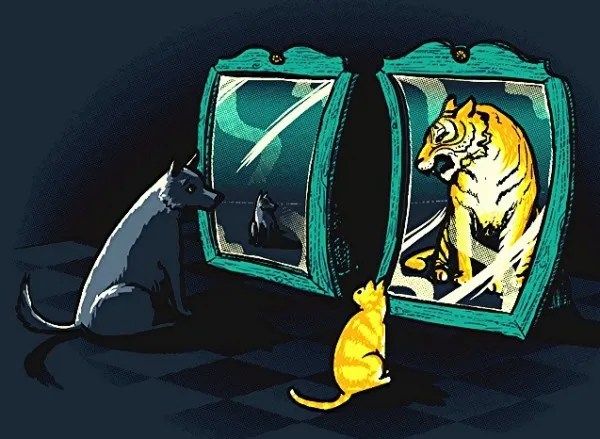
Delusion, much like an addiction, can be an ingrained habit that is challenging to overcome. We often believe we possess a keen ability to distinguish between facts and opinions, a skill honed by our experiences and perceptiveness. We tend to think of ourselves as immune to deception, equipped with finely-tuned BS detectors that protect us from the snares of New Age charlatans and defenders of the status quo. However, the reality is far more complex, as the trap of belief often ensnares even the most seasoned minds.
One might wonder why discerning the truth from falsehood proves to be such a formidable task. The first obstacle to this clarity is our unconscious incompetence – the things we don’t even realise we don’t know. This blind spot in our awareness can be a breeding ground for delusion. Furthermore, the ego plays a significant role in perpetuating this self-deception. It is the ego’s crafty responsibility to convince us that our belief-based pseudo-knowledge is genuine wisdom. The ego, ever eager to preserve itself, acts as a cunning manipulator, weaving intricate narratives that validate our existing beliefs.
It is crucial to recognise that the intellect, often considered a beacon of reason, is merely a servant to the ego. This subservience to the ego’s desires can lead us down the path of delusion as we become unwitting pawns in the game of self-deception. Our so-called solid grasp of reality, whether it be profound universal truths or everyday occurrences, is all too frequently tainted by the distorting lens of our ego.
The complexity of this delusion is compounded by the fact that nearly everyone, including teenagers, falls prey to the same trap. Believing ourselves to be exceptions to this rule is, in itself, a delusion we should be wary of. In this intricate web of self-deception, we must accept that we are not alone in our struggles, and there are no shortcuts to true understanding.
In the evolving landscape of technology, where artificial intelligence and automation are reshaping our world, the importance of this wisdom becomes more apparent than ever. As AI systems continue to advance, it is our responsibility to remain discerning and vigilant, ensuring that we do not become passive consumers of information but active participants in the quest for genuine knowledge. Delusion, in this context, can have far-reaching consequences, as our reliance on AI and technology often amplifies our beliefs and biases. It is imperative that we equip ourselves with the ability to critically evaluate the flood of information and data that surrounds us, allowing us to harness the power of technology for the betterment of humanity while avoiding the pitfalls of self-deception in an increasingly interconnected and technologically-driven world.
Breaking free from the clutches of delusion requires a deliberate and conscious effort. The first step towards this liberation is self-awareness – acknowledging our inherent limitations and recognising the unconscious gaps in our knowledge. As we confront our ego’s relentless manipulation, we can begin to separate fact from fiction. It is essential to question our own beliefs, subjecting them to scrutiny and critical evaluation.
To kick the habit of delusion, we must embark on a lifelong journey of self-discovery, challenging the self-justifying intellect and the ego’s artful deceptions. By doing so, we open ourselves to the possibility of genuine wisdom, unburdened by the shackles of delusion. While exceptional individuals may occasionally see through the veil of self-deception, the path to true understanding is one that requires vigilance, humility, and a commitment to breaking free from the illusions that perpetuate our self-constructed realities.
Written By Stephen Griffin and ChatGPT


 Becoming part of the solution
Leave a comment