
4 Minute read / listen
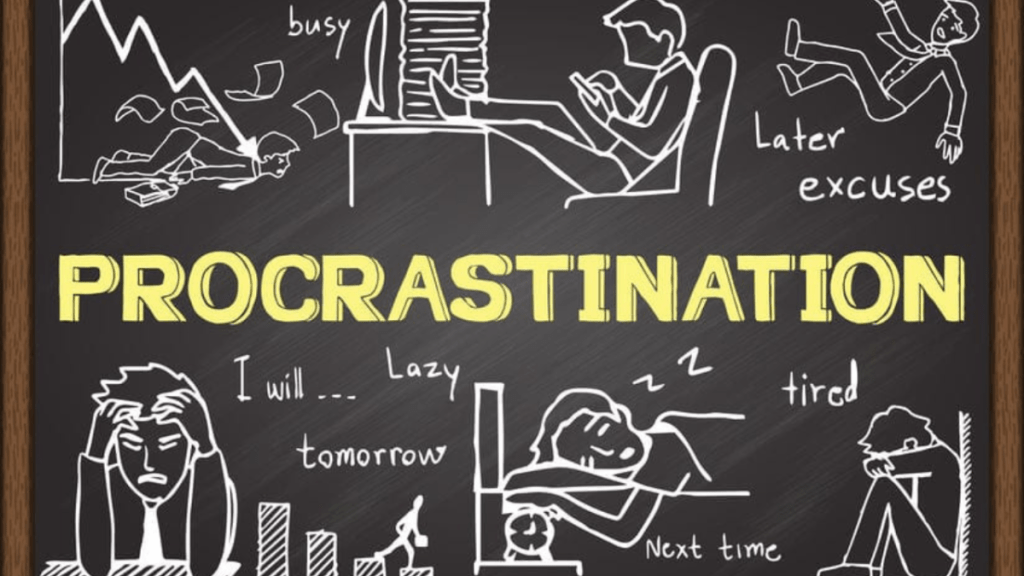
Procrastination, the act of delaying tasks and responsibilities, is a common challenge faced by individuals in various aspects of their lives. Here we will shed light on the root causes of procrastination, emphasising the importance of engagement, competence, and stepping up to life’s challenges. This essay delves into certain perspectives, such as exploring the impact of disengagement, avoidance of unpleasant tasks, and the pursuit of comfort on procrastination.
Disengagement is a significant source of procrastination. When individuals passively observe life rather than actively participate in it, they may find it easier to put off essential tasks. Engaging with life involves making choices, taking actions, and being mindful of the impact one has on others. Procrastination often stems from a detachment from the consequences of one’s actions on both oneself and those around them.
The key to overcoming procrastination due to disengagement is to actively participate in life. By making conscious choices, taking actions, and considering the impact on others, individuals can break free from the cycle of procrastination.
Another reason for procrastination, is the fear of incompetence. Some individuals avoid tasks they feel they might not excel at, adopting the strategy of “I can’t lose if I don’t play.” This fear of failure can hinder personal and professional growth, keeping individuals on the sidelines rather than actively pursuing opportunities.
To overcome procrastination rooted in the fear of incompetence, individuals must confront their fears and take on challenges, even if they may not succeed initially. Embracing the possibility of failure as a part of the learning process is crucial for personal development and breaking the cycle of procrastination.
There’s also a tendency to procrastinate when faced with tasks deemed unpleasant or undesirable. Whether it be chores or responsibilities, putting off these tasks can lead to increased difficulty over time. The pursuit of comfort and avoidance of discomfort contribute to procrastination.
In such cases we should face unpleasant tasks head-on, as delaying them only exacerbates the situation. By acknowledging the necessity of certain responsibilities and creating a plan to tackle them, individuals can develop resilience and discover that the sense of accomplishment outweighs the initial discomfort.
Such ideas can provide a valuable framework for understanding and addressing procrastination. By promoting engagement, confronting fears of incompetence, and facing unpleasant tasks, individuals can actively participate in life, foster personal growth, and break free from the shackles of procrastination. Embracing challenges and taking responsibility for one’s actions lead to a more fulfilling and purposeful life.
Written by Stephen Griffin & ChatGPT


 Becoming part of the solution
Leave a comment