
4 minute read
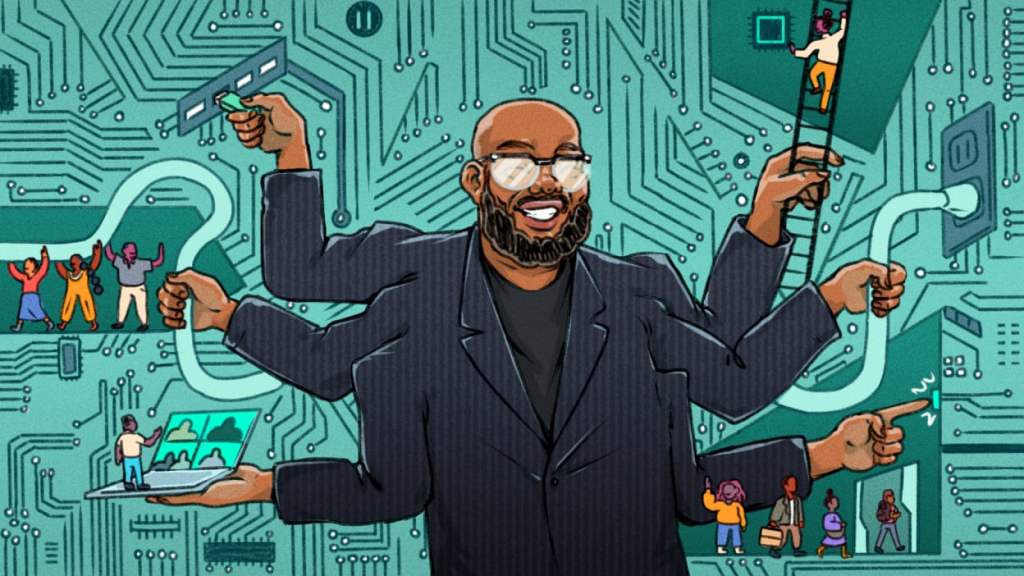
In todays rapidly evolving world, fears and concerns often arise regarding different aspects of our lives. This essay explores the irony between the fear of AI drastically reducing jobs which ironically could help resolve other fears such as low birth rates and mental health
The irony surrounding fears of AI job loss and falling birth rates lies in the contradictory nature of these concerns. On one hand, there is apprehension that advancements in automation and AI will render many jobs obsolete, leading to unemployment and economic instability. Conversely, there is a parallel fear that declining birth rates will result in a shrinking labor force and potential strains on various sectors of the economy. These anxieties present a paradox where one fear anticipates job scarcity, while the other dreads a labour shortage.
Another irony arises from the mental health implications of an overworked population struggling with a lack of free time. The fear of excessive work hours and limited leisure time contributes to stress, burnout, and negative mental health outcomes. It seems counterintuitive that while we fear not having enough workers or losing jobs, the consequences of these fears manifest in the mental well-being of individuals who are burdened with excessive workloads.
In addition to the aforementioned ironies, another fear emerges regarding the sustainability of pensions and welfare systems in the face of a declining workforce and an ageing population. With fewer workers and more pensioners, there is a legitimate concern about how these systems will be funded in the future. However, this challenge presents an opportunity for innovative solutions and a reevaluation of the tax structure. One potential solution lies in shifting the tax burden from workers to companies utilising automation and AI. Taxing companies for their use of robots and automation can generate revenue to sustain pensions and welfare systems. Additionally, the concept of Universal Basic Income (UBI) has gained attention as a potential way to provide financial stability in a changing workforce.
While the ironies of these fears may seem overwhelming, there is a silver lining. A more balanced approach to work can allow individuals to free up their time, fostering creativity, relaxation, and improved mental well-being. With fewer concerns about job loss, labor shortages, and the sustainability of pensions and welfare, individuals can enjoy a greater work-life balance, leading to a more fulfilled and productive society.
Ultimately, acknowledging these paradoxes and discovering viable remedies can pave the way for a favorable result, wherein individuals can enjoy increased leisure time, fostering greater creativity, tranquility, and fulfilment in their lives. Such a shift will empower us to reconnect with our authentic selves and prioritise what truly matters.
Written by Stephen Griffin and ChatGPT


 Becoming part of the solution
Leave a comment